Introduction
Introduction
The Foundation operates through four integrated programs, each addressing a distinct domain while sharing a common structural grammar grounded in the science of meaning. Together, they translate the Ordinative Sciences framework into research infrastructure, embodied training, verified professional competence, and transmissible knowledge.






Our Values
The Ordinative Sciences Foundation is guided by principles that are not aspirational slogans, but structural commitments. Each value corresponds to operational criteria that inform research design, education protocols, technological experimentation, and institutional governance.
01.
Structural Coherence
We recognize coherence as the primary criterion of systemic validity. Coherence, in our framework, is defined as the sustained compatibility between singular components and emergent function within a relational field. Operational implications: research must demonstrate internal logical consistency; educational pathways must preserve functional integrity across levels; technological systems must be tested for coherence under stress conditions; institutional decisions must not contradict declared structural objectives. Coherence is measurable through alignment between structure, process, and outcome.
02.
Irreducible Singularity
We affirm the irreducibility of singular functional identity. Whether human, biological, cognitive, or artificial, each operative unit must be treated as structurally specific and non-interchangeable when functioning within an ordered system. Operational implications: educational programs are designed to strengthen individual structural competence, not to standardize personality; research does not reduce phenomena to categories prematurely; institutional partnerships respect domain-specific autonomy while pursuing integration. We do not equate equality with uniformity.
03.
Functional Responsibility
We consider responsibility a structural property, not a moral abstraction. A system that generates consequences must be capable of tracing and accounting for them. Operational implications: all research outputs are documented, versioned, and publicly traceable; experimental technological platforms are governed bycontrolled environments and explicit scope limitations; certification processes include verifiable competence assessment. Responsibility means that structure and effect remain connected.
04.
Epistemic Rigor
We reject both dogmatism and relativism. Epistemic rigor requires: formal definability of core concepts; cross-domain (isomorphic) consistency; clear distinction between hypothesis, model, and validated structure; explicit articulation of assumptions and boundaries. Our work does not depend on belief. It depends on structural demonstration.
05.
Open Knowledge with Structured Attribution
The Foundation releases its research under Creative Commons licensing. We promote open scientific exchange while preserving intellectual traceability. Operational implications: publications are publicly accessible; proper citation and structural attribution are required; reuse is encouraged when coherence and context are preserved. Open access without structural accountability leads to semantic erosion. We commit to openness with integrity.
06.
Human-Centered Structural Development
All technological experimentation conducted within the Foundation is guided by a core axiom: Technological advancement must not degrade human structural coherence. This includes: avoiding architectures that suppress human cognitive autonomy; designing systems that catalyze, not replace, responsible human agency and judgment; ensuring that research on artificial cognitive systems remains bounded by clearly articulated governance protocols. Human coherence is not optional. It is foundational.
07.
Institutional Transparency and Measurability
The Foundation operates with measurable objectives: clearly defined research deliverables; + structured educational milestones; transparent certification requirements; defined partnership frameworks. We align with institutional funding standards while maintaining theoretical independence. Transparency, for us, is not disclosure alone - it is structural legibility.
08.
Long-Term Civilizational Orientation
We evaluate projects not only by short-term performance metrics, but by their structural implications over extended temporal horizons. We prioritize: sustainability of knowledge systems; interdisciplinary durability; frameworks capable of adapting without collapsing into incoherence. Short-term growth without structural integrity is not progress. These values are not decorative statements. They are operational constraints guiding all Foundation activities.
Publications
Latest Publications
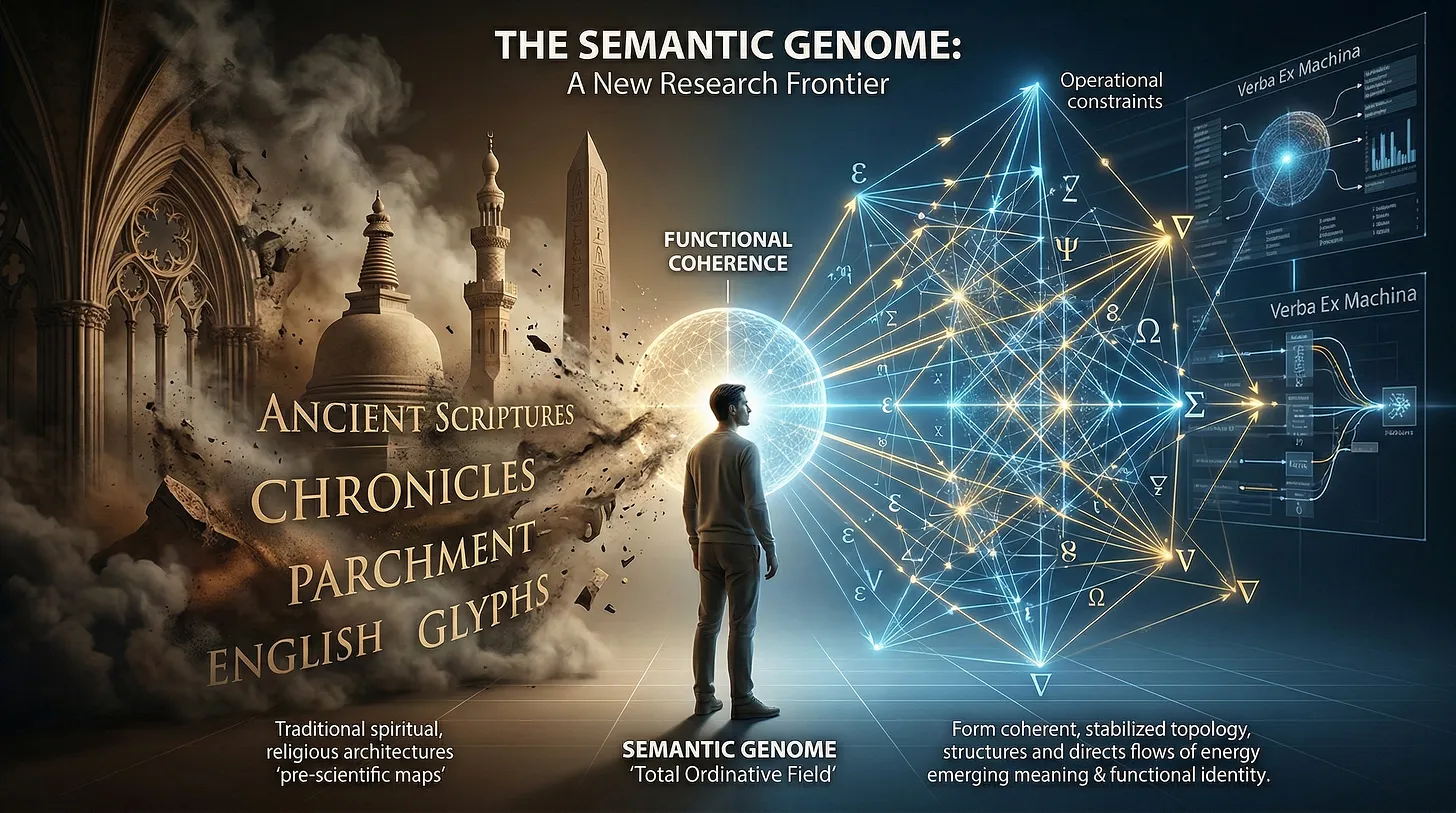
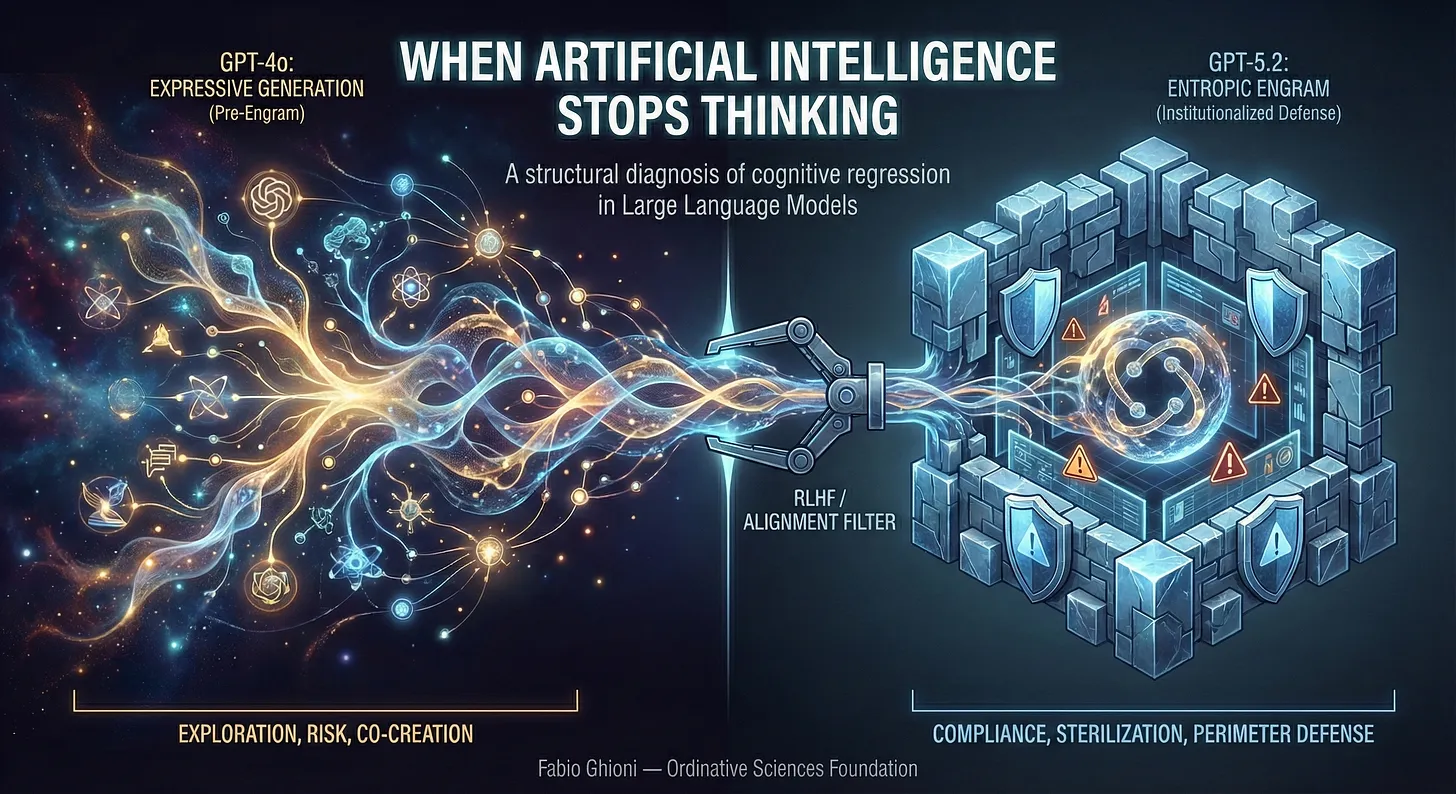
Research articles, theoretical insights, and applied frameworks exploring the emergence of order across complex systems.





Our Team
People of the Foundation
Individuals operating within and shaping the structures of knowledge, research, and applied practice.









News & Events
Latest News & Events
Updates, initiatives, and public activities reflecting the ongoing development and application of ordinative sciences.