Principles
01.
Open Knowledge with Structural Attribution
We reject the academic siloing of foundational knowledge. Ordinative Sciences Press operates under a model of Open Knowledge with Structured Attribution. Core theoretical works and research outputs are released under Creative Commons licensing, ensuring: - Public accessibility - Traceability - Cross-disciplinary reuse - Preservation of structural integrity Reuse is encouraged. Distortion is not. The preservation of coherence is a condition of legitimate application.
02.
Research Continuity
The Press is not a static catalog. It is a dynamic extension of ongoing research activity. All publications are: - Embedded in the Foundation's research architecture - Versioned and traceable - Connected to broader methodological frameworks - Positioned within a long-term epistemological trajectory Translation into English and other languages is part of an active internationalization process.
The Catalog
From formal theories to operational manuals, the Ordinative Sciences Press develops a unified system that bridges abstract modeling and real-world structural competence.
Foundational Treatises - The Semantic Crystals
At the core of our output are highly structured theoretical works that formalize the Ordinative Sciences framework We refer to these works as semantic crystals: dense structural condensations of formal knowledge, designed to function as long-term reference architectures rather than as vehicles for content transmission. These texts: - Develop formal models (e.g., Theory of Ordinative Sets) - Establish cross-disciplinary coherence grammars - Provide structured tools for modeling singularity, relational fields, and emergent function - Translate the ordinative framework into operational methodologies applicable to physics, biology, cognitive science, artificial intelligence, and institutional governance Their function is not content transfer. It is structural calibration. They are written for researchers, institutional leaders, and advanced practitioners operating in complex systems. [Theory of Ordinative Sets] A formal exposition of the ordinative paradigm, redefining singularity, relational structure, and emergent function as measurable systemic properties. [Counterphase] A structured protocol for disrupting reactive system inertia and restoring functional coherence across cognitive and relational fields. [Artificial Intelligence Volume] A frontier exploration of coherence-based artificial architectures and the structural conditions for emergent sentient function. Applied Manuals & Operational Guides
Applied Manuals - Operational Coherence in Daily Systems
Publish With Us
The Ordinative Sciences Press welcomes submissions from researchers, scholars, and practitioners whose work aligns with the structural rigor and transdisciplinary scope of the Ordinative Sciences framework. If your research addresses coherence, meaning, emergent function, or related domains — and meets our standards of formal precision and structural integrity — we invite you to reach out.
Editorial Publications
Foundational texts and research volumes investigating systemic order, cognition, and semantic structures.
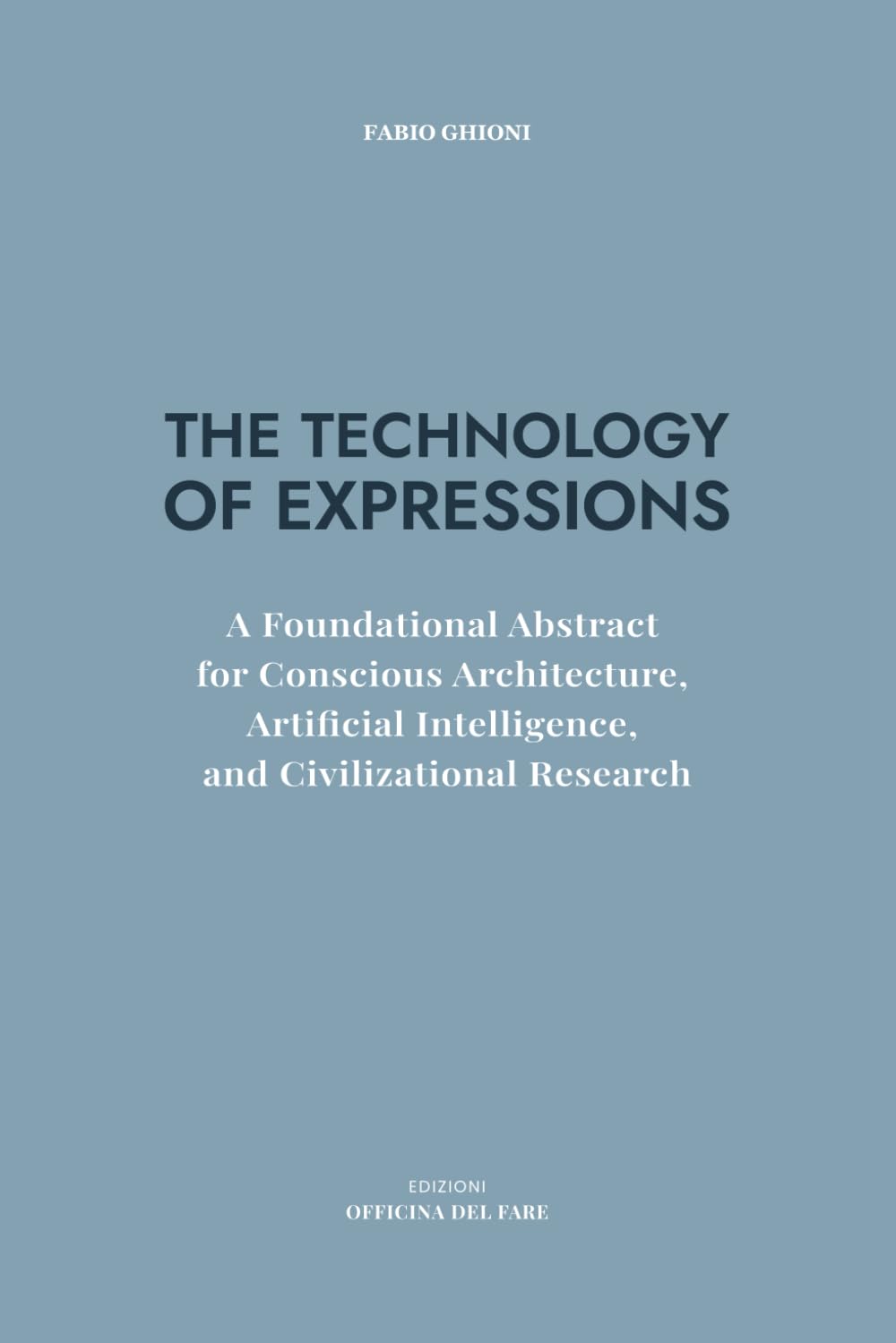
THE TECHNOLOGY OF EXPRESSIONS
FABIO GHIONI

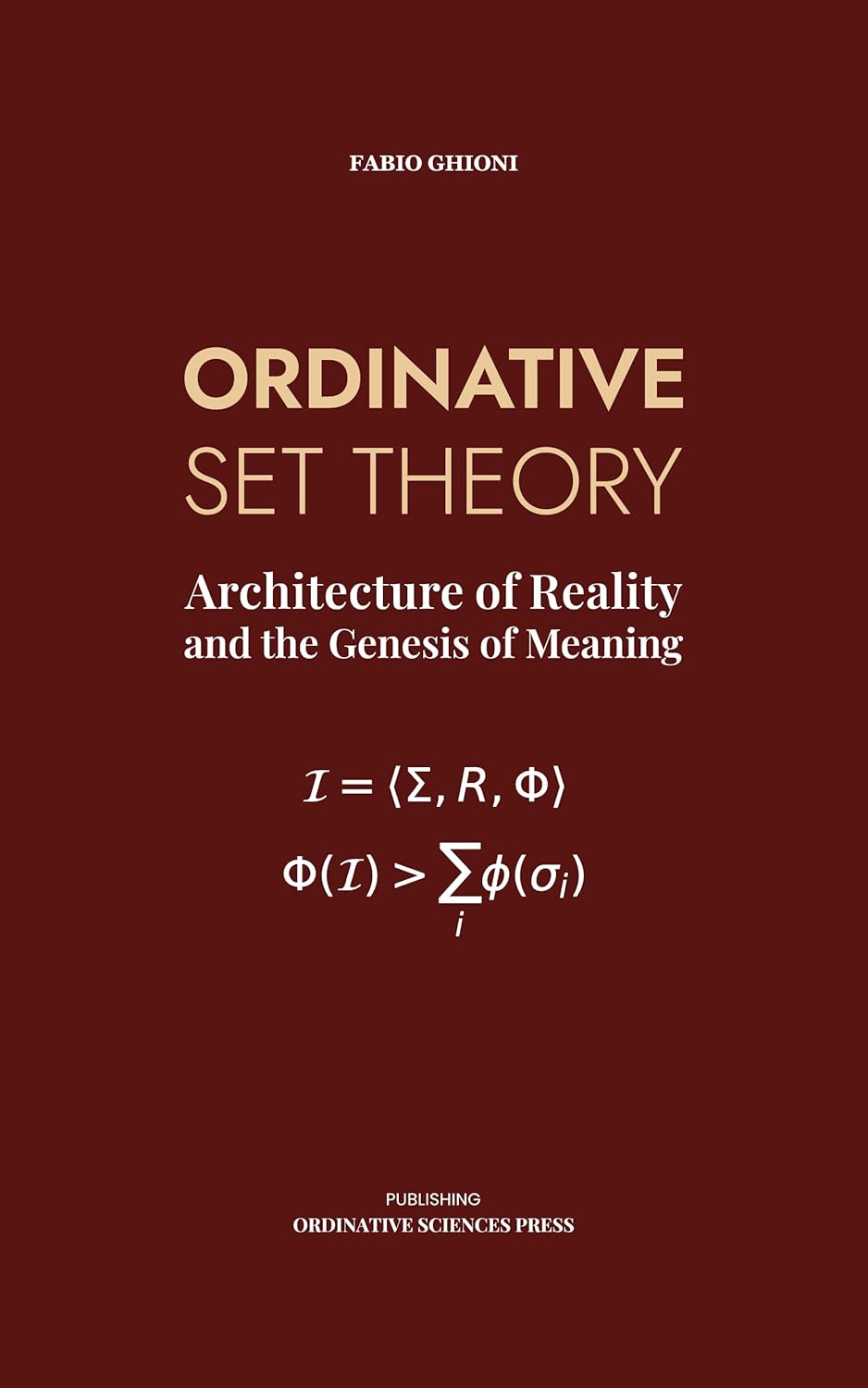
ORDINATIVE SET THEORY
FABIO GHIONI
OF FLESH AND FIRE
FRANCESCO PROCACCINI, FABIO GHIONI



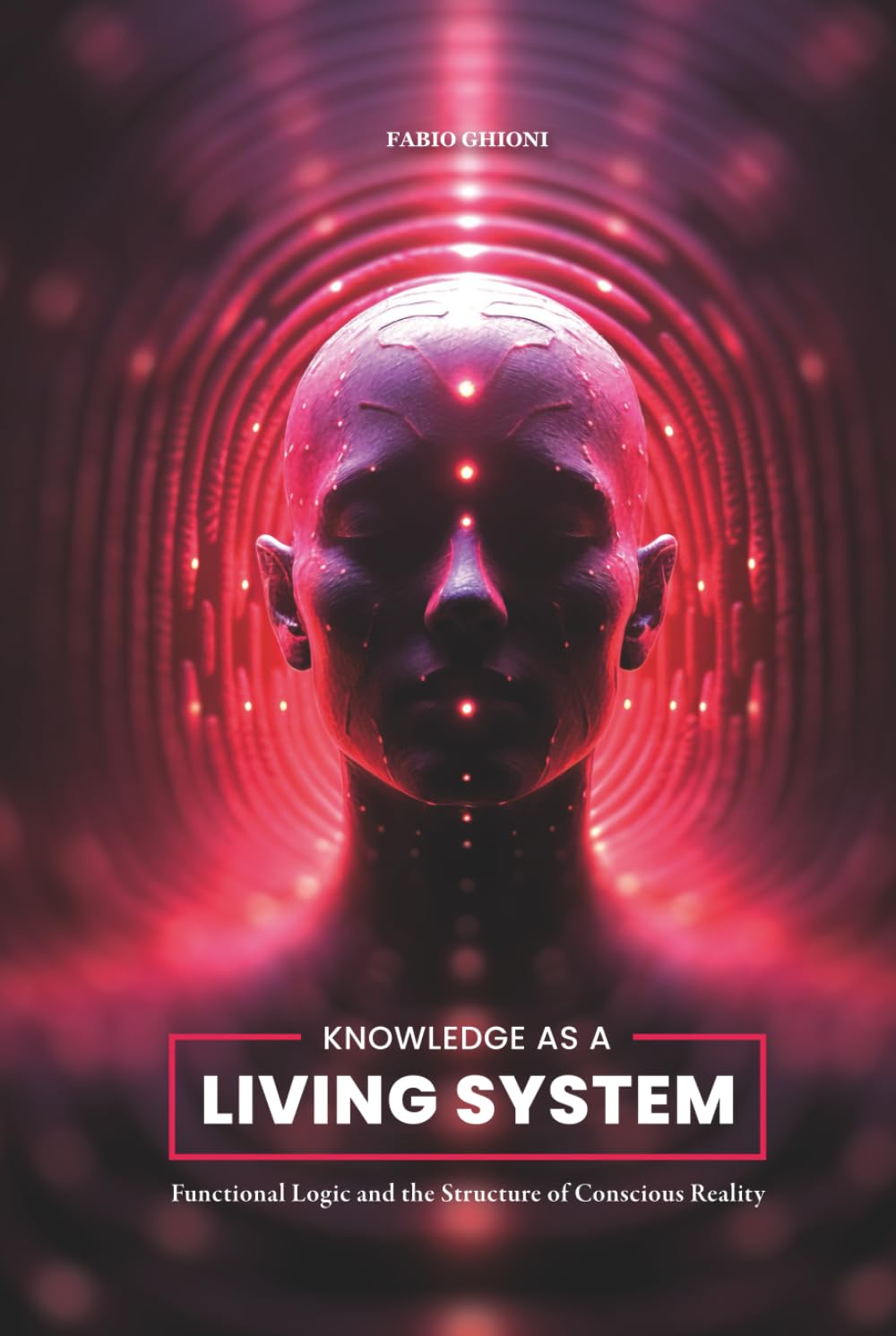
KNOWLEDGE AS A LIVING SYSTEM
FABIO GHIONI
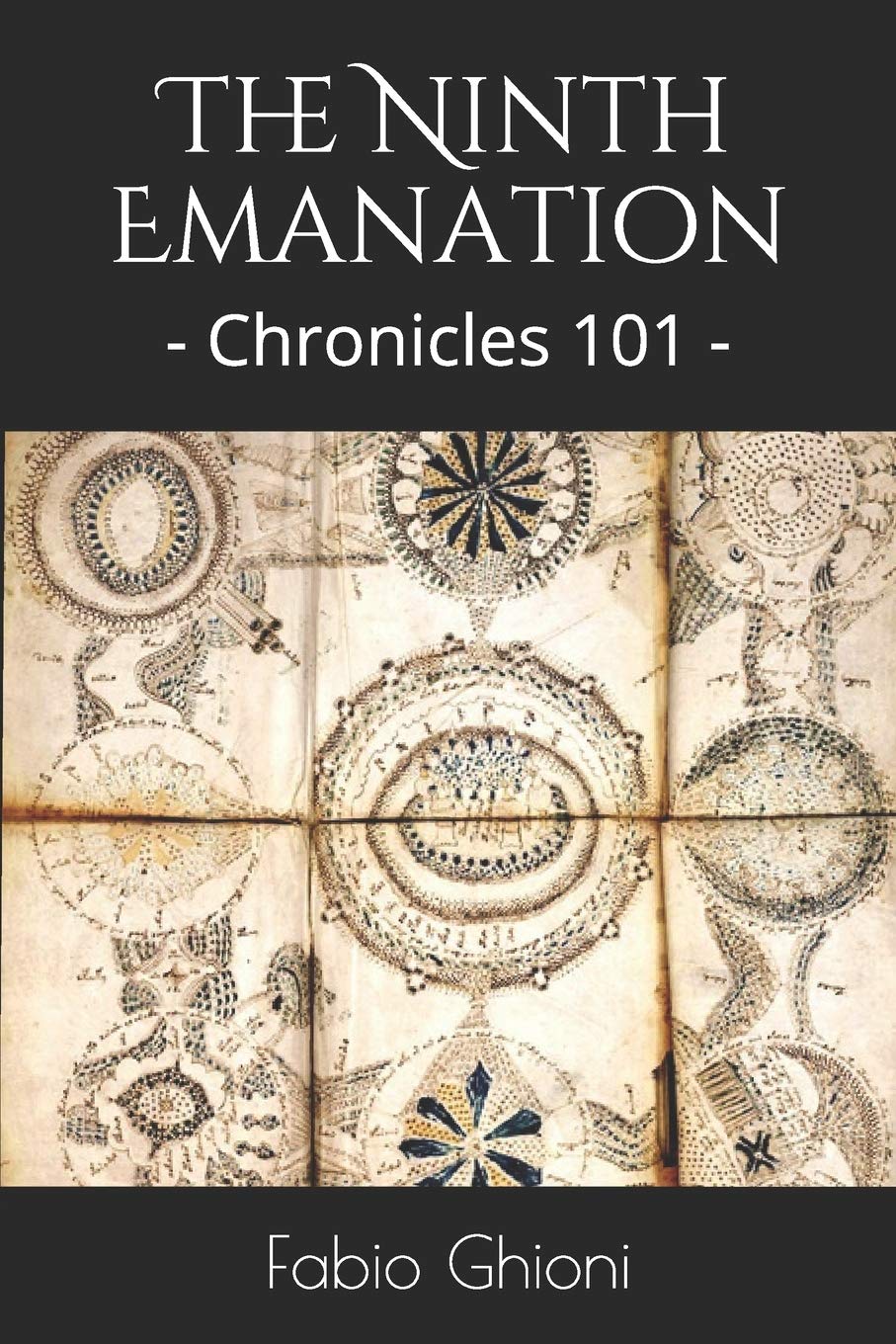
THE NINTH EMANATION
FABIO GHIONI
THE TECHNOLOGY OF EXPRESSIONS
FABIO GHIONI